
- Baking without eggs is simple when you choose the right vegan egg substitute, allowing you to create a wide variety of sweet treats.
- Popular substitutes include flaxseed, chia seeds, applesauce, mashed banana, silken tofu, vegan yogurt, and aquafaba, each suited for different textures and flavors.
- Selecting the right substitute depends on the role of eggs in the recipe: binding, moisture, leavening, neutral flavor, or flavor boost.
- Combining substitutes can yield better results, such as pairing a flax egg for structure with applesauce for moisture.
- Different desserts require different substitutes: cookies benefit from flax or chia, cakes and muffins from applesauce or silken tofu, brownies from tofu or applesauce, and meringues from aquafaba.
- Commercial vegan egg replacers like Ener-G, Bob’s Red Mill, or JUST Egg provide convenience and consistent results.
- Common mistakes include not letting flax/chia set, ignoring moisture adjustments, overmixing aquafaba, and assuming one substitute works for all recipes—testing and experimentation are key.
Baking without eggs might seem intimidating at first, but thanks to the variety of vegan egg substitutes available, creating delicious sweet treats is easier than ever. Whether you’re making cakes, cookies, or puddings, there’s an option to match every recipe and texture. In this guide, we’ll explore the best vegan egg substitutes, when to use them, and tips for baking perfection.
Why Do You Need a Vegan Egg Substitute?
Eggs play several roles in baking. They provide structure, moisture, and binding, and they can even act as a leavening agent. When you remove eggs, you need something that can mimic these functions without compromising flavor or texture. Choosing the right vegan egg substitute ensures your sweet treats turn out fluffy, chewy, or creamy, depending on what you’re making.
What Are the Most Popular Vegan Egg Substitutes?
There’s no one-size-fits-all replacement. Different vegan desserts require different textures and results, so it’s helpful to know your options:
- Flaxseed Meal: Combine 1 tablespoon of ground flaxseed with 3 tablespoons of water to replace one egg. Let it sit for a few minutes to thicken. Ideal for cookies, muffins, and pancakes.
- Chia Seeds: Similar to flax, 1 tablespoon of chia seeds mixed with 3 tablespoons of water works as one egg. It adds a slight nutty flavor and works well in denser baked goods.
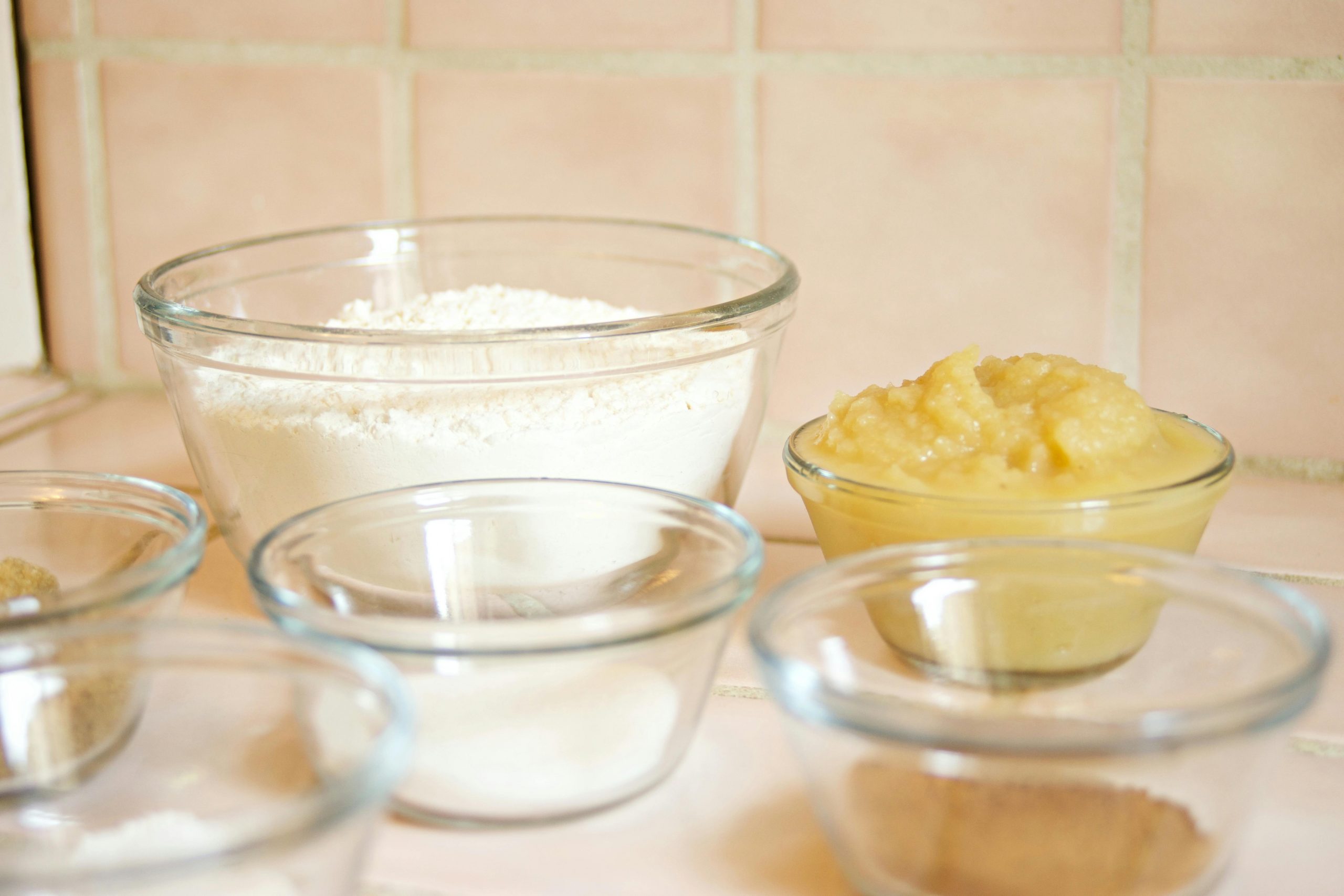
- Applesauce: Use 1/4 cup unsweetened applesauce per egg. It adds moisture and mild sweetness, making it perfect for cakes and quick breads.
- Mashed Banana: 1/4 cup of mashed banana replaces one egg. Great for muffins and pancakes, but note the banana flavor may influence the final taste.
- Silken Tofu: 1/4 cup pureed silken tofu equals one egg. It’s flavor-neutral and produces a creamy texture, making it ideal for brownies, cheesecakes, and custards.
- Vegan Yogurt: 1/4 cup plant-based yogurt can replace an egg. Works well in cakes, muffins, and quick breads.
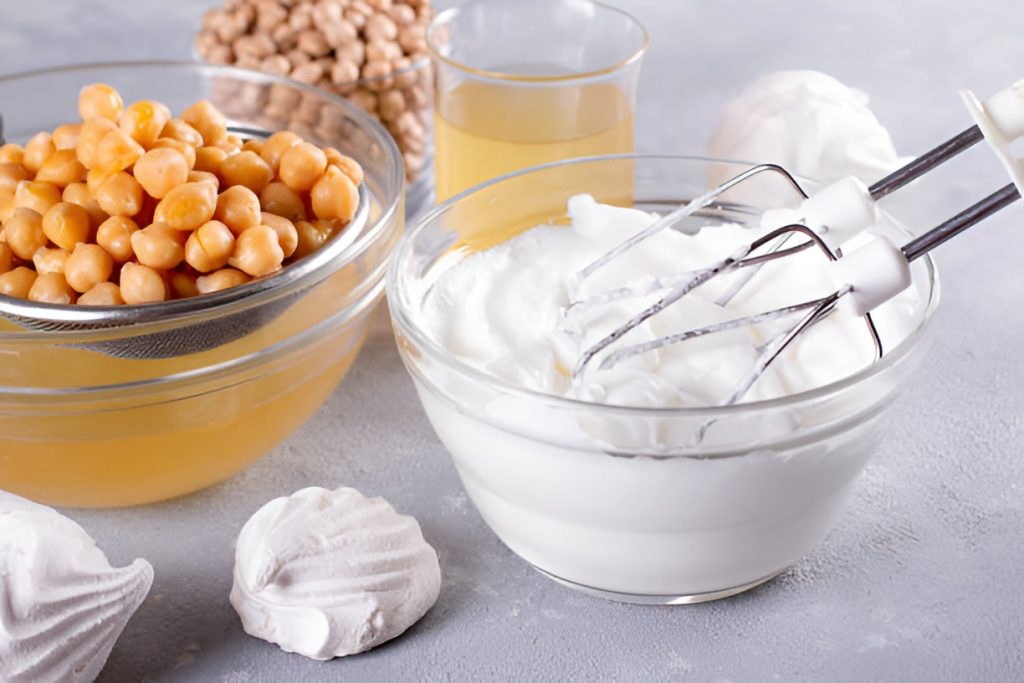
- Aquafaba: The liquid from canned chickpeas acts like egg whites. Use 3 tablespoons per egg. Whip it for meringues or fold it into batters for a light, airy texture.
How Do You Choose the Right Substitute?
Selecting a vegan egg substitute depends on what you’re baking and the texture you want:
- For Binding: Flaxseed, chia, or mashed banana help hold ingredients together.
- For Moisture: Applesauce, silken tofu, and yogurt add moisture without heaviness.
- For Leavening: Baking recipes that need lift often do well with aquafaba or flax/chia combined with baking powder.
- For Neutral Flavor: Silken tofu and aquafaba won’t alter the taste of delicate desserts.
- For Flavor Boost: Banana or applesauce can add subtle sweetness and fruity notes.
Can You Mix and Match Substitutes?
Yes! Sometimes combining substitutes can give you the best of both worlds. For example, using a flax egg for structure and a bit of applesauce for moisture can help achieve a soft yet stable cake. Experimentation is key—start with smaller batches until you find your perfect balance.
Quick Tips for Using Vegan Egg Substitutes
- Always let flax and chia mixtures gel for a few minutes before adding them to your batter.
- Silken tofu should be blended until completely smooth to avoid lumps.
- Adjust liquid in the recipe slightly if using moisture-heavy substitutes like banana or applesauce.
- Aquafaba works best when whipped to soft or stiff peaks for meringues or mousses.
- Keep in mind that fruity substitutes like banana can alter the flavor profile, so match them with compatible ingredients like chocolate or cinnamon.
Best Vegan Egg Substitute for Cookies
For cookies, structure and chewiness are key. Here are the top choices:
- Flaxseed Meal: Keeps cookies chewy and helps them hold together.
- Chia Seeds: Adds a slightly nutty taste and works in thicker doughs.
- Applesauce: Adds moisture but may make cookies softer, so it works best in softer, cake-like cookies.
Best Vegan Egg Substitute for Cakes and Muffins
Cakes and muffins need lift, lightness, and moisture:
- Applesauce or Mashed Banana: Adds softness and slight sweetness.
- Silken Tofu: Gives creamy, dense textures for rich cakes.
- Vegan Yogurt: Adds moisture while keeping the batter tender.
- Flax or Chia Eggs with Baking Powder: Helps achieve rise in lighter recipes.
Best Vegan Egg Substitute for Brownies and Fudgy Desserts
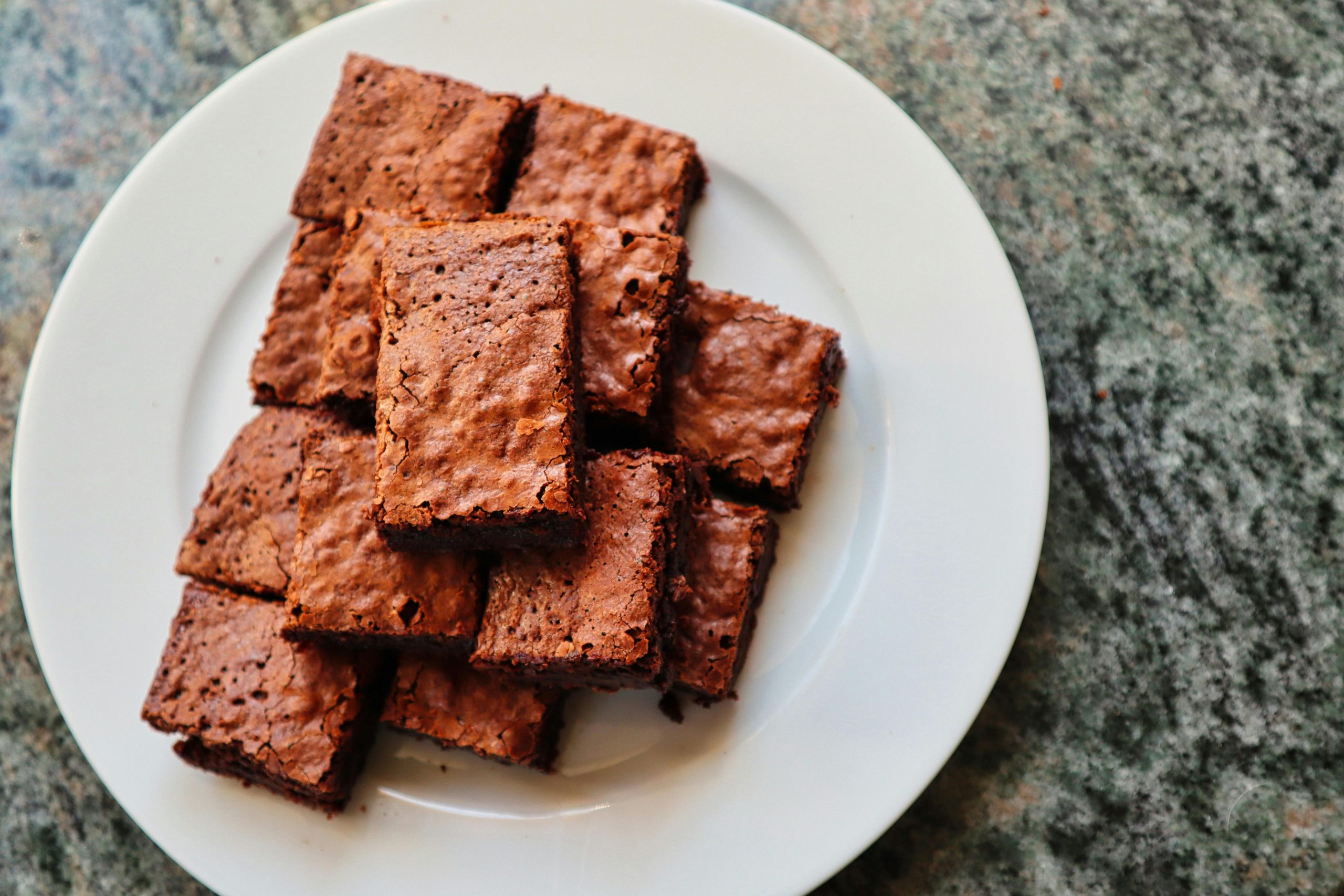
Brownies and fudgy desserts require a dense, moist texture:
- Silken Tofu: Perfect for creating creamy, fudgy consistency.
- Applesauce: Adds moisture without altering chocolate flavor too much.
- Mashed Banana: Works for chocolate-based desserts, but note the slight fruity taste.
Best Vegan Egg Substitute for Meringues and Light Desserts
For desserts that need airiness and volume:
- Aquafaba: The go-to option for vegan meringues, mousses, and soufflés. Whip it with sugar until stiff peaks form.
- Vegan Whipped Cream Substitutes: Can be combined with aquafaba for extra richness in mousse recipes.
Are There Any Commercial Vegan Egg Substitutes?
Yes! Several brands sell ready-to-use vegan egg replacements:
- Ener-G Egg Replacer: Works well in cookies, pancakes, and cakes.
- Bob’s Red Mill Egg Replacer: Made from potato starch and tapioca, ideal for muffins and brownies.
- JUST Egg (for some sweet treats): Although marketed for savory dishes, it can be used in certain dessert batters.
Commercial products are convenient and consistent, making them great for bakers who want predictable results every time.
Common Mistakes When Using Vegan Egg Substitutes
- Not Letting Gelled Eggs Set: Flax and chia need time to thicken. Adding them too early can affect texture.
- Ignoring Moisture Adjustments: Some substitutes add extra liquid—adjust recipe accordingly.
- Overmixing: Especially with aquafaba, overmixing can deflate the whipped foam.
- Assuming One Substitute Fits All: Test different substitutes to match the dessert’s texture and flavor.
Frequently Asked Questions About Vegan Egg Substitutes
Q: Can I replace all eggs in a recipe with the same substitute?
A: Often yes, but it depends on the role eggs play. For best results, match the substitute to the function—binding, leavening, or moisture.
Q: Will my baked goods taste different without eggs?
A: Some substitutes, like banana or applesauce, add subtle flavors, while tofu or aquafaba are neutral. Choosing the right one prevents unexpected taste changes.
Q: How do I store mixtures like flax or chia eggs?
A: Make them fresh each time for best results. They can last a day in the fridge but tend to lose viscosity over time.
Experiment and Have Fun with Sweet Treats
Using vegan egg substitutes opens up a world of creativity in the kitchen. Don’t be afraid to mix different options, try new combinations, and adjust recipes to your taste. Over time, you’ll find your favorite substitutes for every type of dessert.
In a Nutshell
Baking vegan doesn’t have to be complicated. With the right vegan egg substitute, you can create cookies, cakes, brownies, and meringues that are just as satisfying as traditional versions. From flax and chia to aquafaba and silken tofu, there’s a substitute for every texture and flavor. The key is understanding the role of eggs in your recipe and choosing the replacement that best fits your dessert goals.
Experiment, take notes, and enjoy the journey of making sweet treats that everyone—vegan or not—will love.